Now Available!

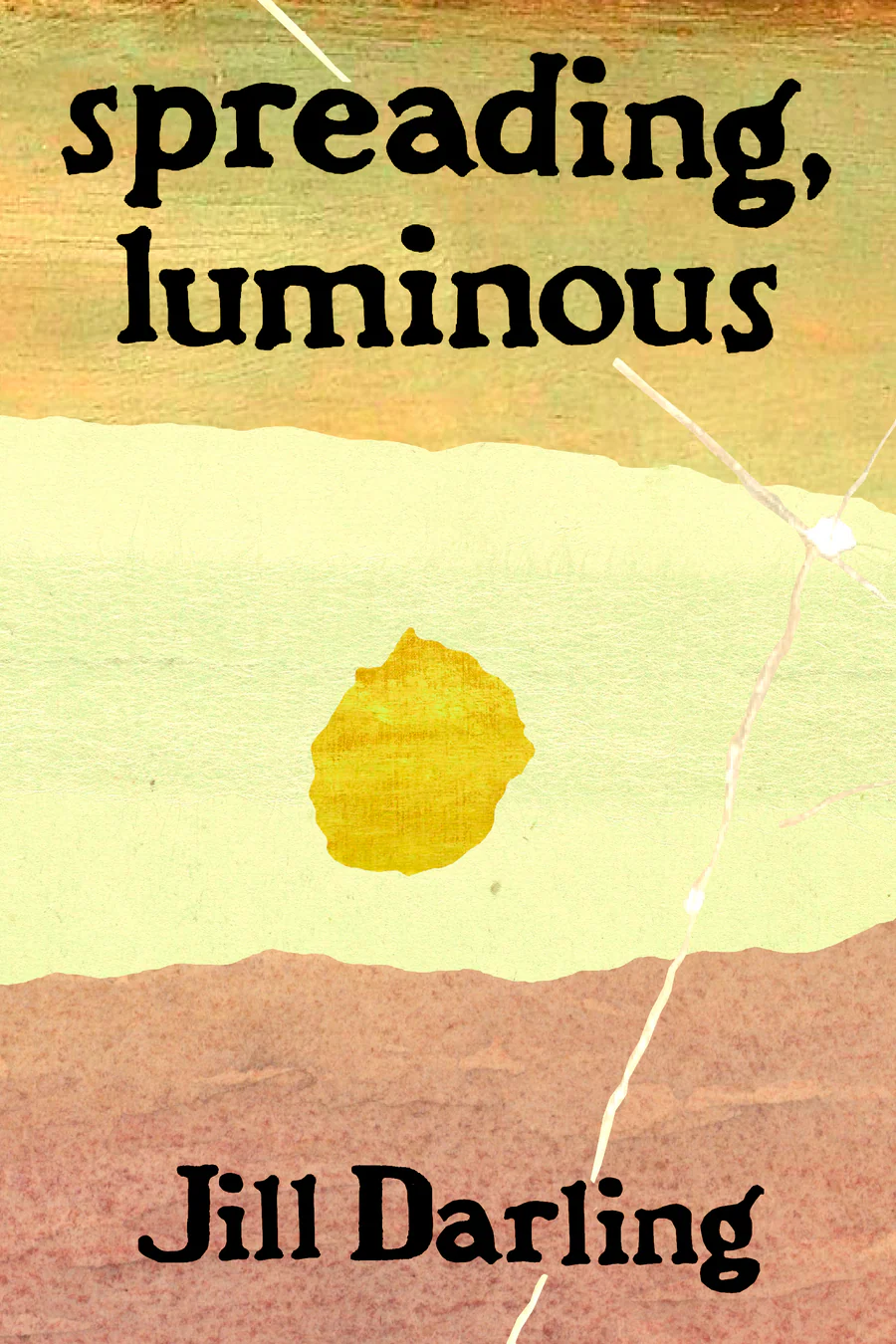
spreading, luminous

Order from Bottlecap Press

Delighting in wordplay, spreading, luminous, though subtle, also delves into climate, pollution, and politics in mini poetic essays and prose poetry varied in form and structure. Throughout, language shivers and jumps, sometimes stands still as if willing time to stop, lingers in present tense and bursts of color. Poetic prose floats in mysteries of time and memory, pulling past into present through imagery and scenes that capture intensities of feeling, as if to let the past settle before moving on.

Activating past events or moments, language and memory work as portals. From the purposeful misinterpretation of languages and sounds that create whole new worlds, to climate anxiety enacted in play with good and bad habits, to seemingly lighthearted poetic responses to questions about fresh water, there is sometimes a swirling of unknowing and inability to articulate. Still, this work revels in the music of language as exploration through which reading feels like a journey, a process of reassurance and overcoming angst and unease, the poetic as a way of working through.
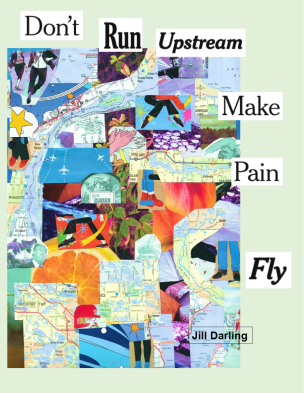
NOW AVAILABLE!

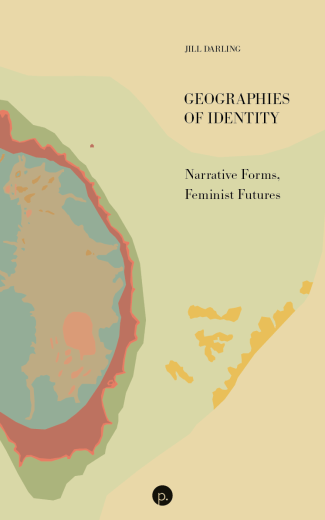
Geographies of Identity: Narrative Forms, Feminist Futures

geographiesofidentity-cover-web-front

NOW AVAILABLE! Geographies of Identity: Narrative Forms, Feminist Futures  Punctum Press (Nov 2021)

Geographies of Identity: Narrative Forms, Feminist Futures explores identity and American culture through hybrid, prose work by women, and expands the strategies of cultural poetics practices into the study of innovative narrative writing. Informed by Judith Butler, Homi Bhabha, Harryette Mullen, Julia Kristeva, and others, this project further considers feminist identity politics, race, and ethnicity as cultural content in and through poetic, and non/narrative forms. The texts reflected on here explore literal and figurative landscapes, linguistic and cultural geographies, sexual borders, and spatial topographies. Ultimately, they offer non-prescriptive models that go beyond expectations for narrative forms, and create textual webs that reflect the diverse realities of multi-ethnic, multi-oriented, multi-linguistic cultural experiences.

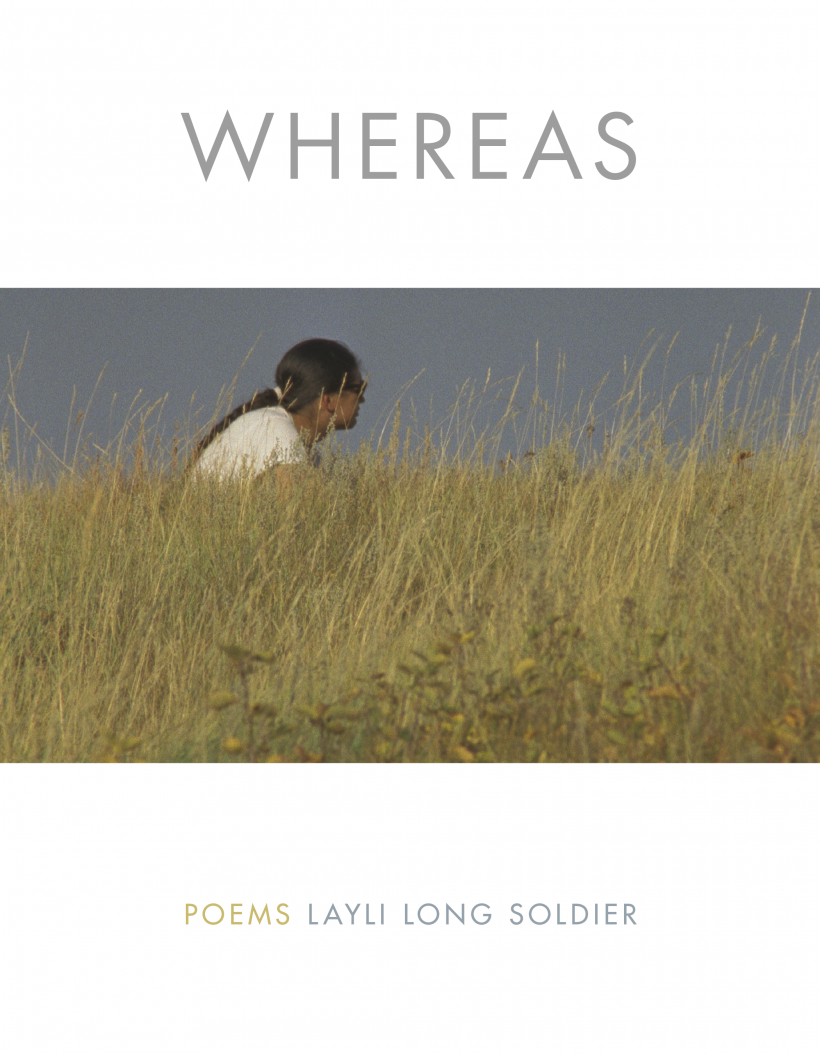
Readings of Gertrude Stein’s A Geographical History of America, Renee Gladman’s Juice, Pamela Lu’s Pamela A Novel, Claudia Rankine’s Don’t Let Me Be Lonely, Juliana Spahr’s The Transformation, Theresa Hak Kyung Cha’s Dictee, Gloria Anzaldúa’s Borderlands/La Frontera, and Layli Long Soldier’s Whereas show how alternatively narrative modes of writing can expand access to representation, means of identification, and subjective agency, and point to horizons of possibility for new futures. These texts critique essentializing practices in which subjects are defined by specific identity categories, and offer complicated, contextualized, and historical understandings of identity formation through the textual weaving of form and content.